
Procrastination: Understanding Why We Put Things Of
Procrastination is something most people can relate to: tasks are postponed, often until the very last minute—or even beyond. But why does this behavior happen in the first place? To truly understand procrastination, we need to look at the psychological, biological, and social factors that encourage it.
The Psychology of Procrastination
At its core, procrastination is closely tied to our psychology. Our brains are wired to prioritize short-term rewards over long-term goals, which can make them our worst enemy when it comes to productivity. The enemy within.
When a task feels unpleasant, complex, or uncertain, we often replace it with activities that bring immediate gratification—like scrolling through social media, binge-watching shows, or engaging in other distractions. This behavior is driven by the brain's reward system, particularly the release of dopamine, which gives us that instant hit of pleasure.
Fear of Failure and the Perfectionism Trap
Fear of failure is another major factor. Many people procrastinate because they’re afraid of the outcome. After all, if you don’t act, you can’t fail, right? But here’s the irony: the very result we fear doesn’t come from taking action—it comes from avoiding it. Tasks don’t magically disappear when we ignore them; they usually grow heavier.
This fear often ties back to perfectionism. When you feel everything needs to be done perfectly, even starting a task can feel overwhelming. So instead of taking action, you push it aside, avoiding stress in the short term but creating bigger problems in the long run.
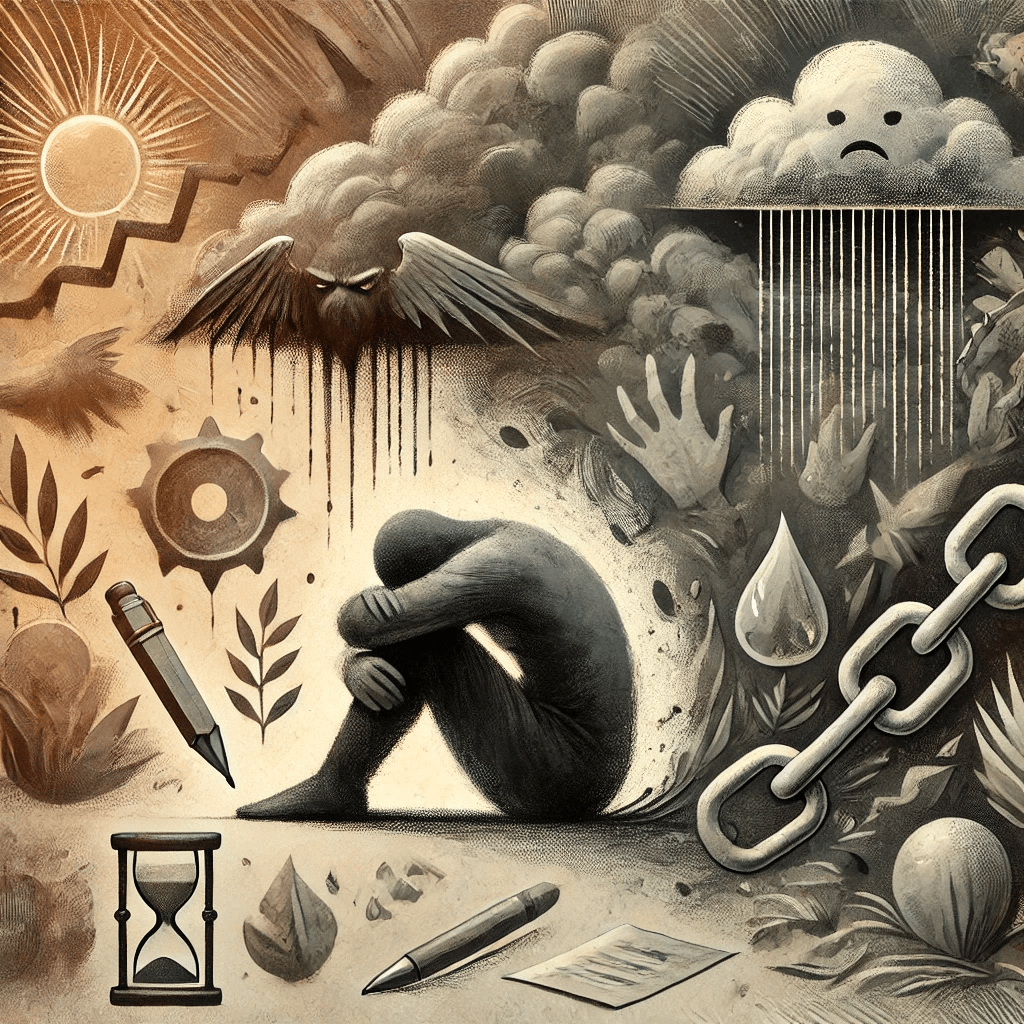
The Role of Biology in Procrastination
Biological rhythms also play a role. People with impulsive personalities or less self-regulation are more prone to procrastination. This isn’t a judgment—just an observation. These individuals often struggle with controlling their impulses. On top of that, modern life provides endless distractions, making it even easier to veer away from important tasks.
Social and Cultural Factors That Reinforce Procrastination
Social and cultural influences can also amplify procrastination. In a world that demands multitasking and constant availability, many people feel overwhelmed. The sheer number of decisions and responsibilities can lead to a state of paralysis, where procrastination becomes a form of escape.
At the same time, many cultures equate productivity with self-worth and success, increasing pressure and making procrastination a natural reaction to that stress.
Procrastination: More Than Just Laziness
I know this might sound a little unusual, but give it a try. The next time you catch yourself procrastinating, pause for a moment. Picture yourself as the expert called in to solve the issue. Then just get started. It doesn’t have to be perfect—the important thing is to take action.
Check out my course on Udemy. I’ll guide you step by step through practical techniques to beat procrastination—stress-free and at your own pace. Click here and start making progress today!


Your Expert
With over 20 years of experience as a business analyst in international consulting, I specialize in business processes and their optimization. Alongside my main job, I run my own company, advising startups on their path to success.

Your Ressource for Business & Productivity
Created with © systeme.io